
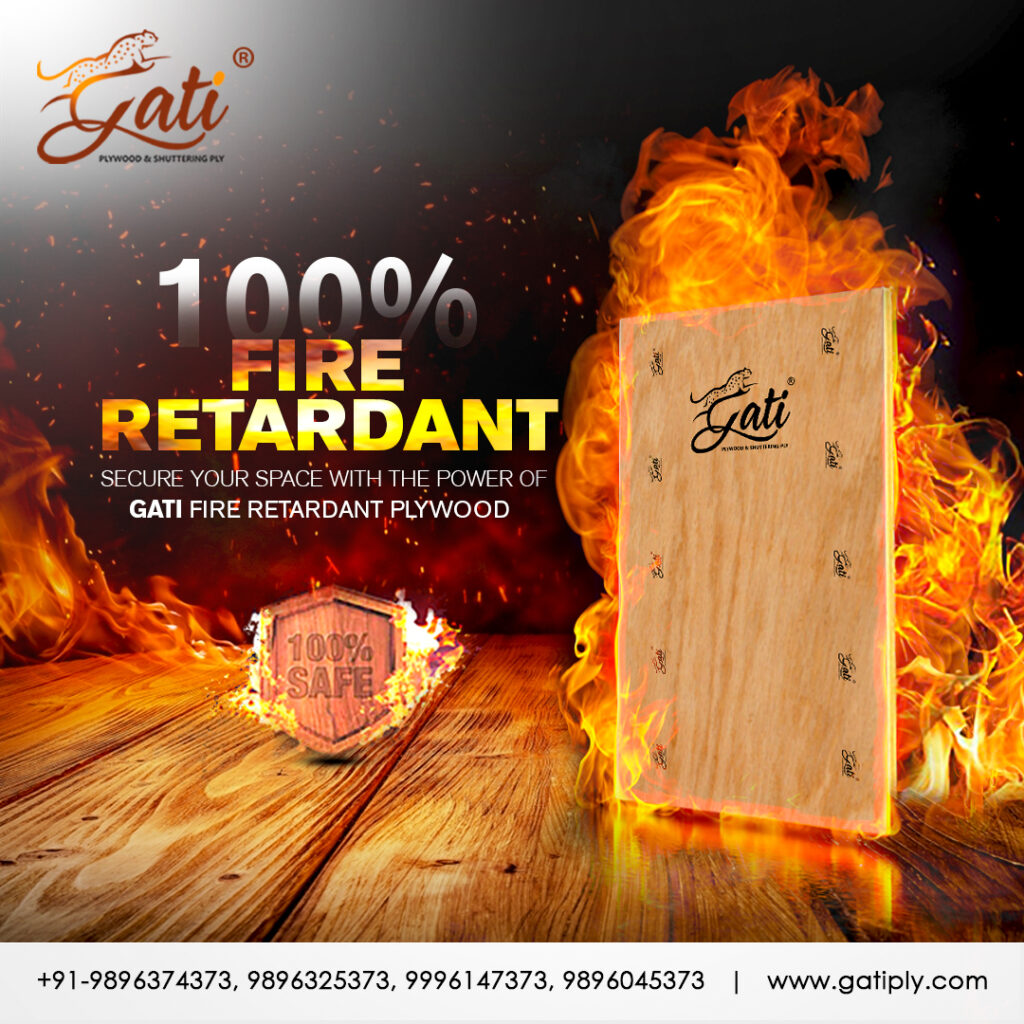
When it comes to building interiors or designing safe spaces, the type of plywood you choose plays a vital role in determining both durability and safety. Fire Retardant Plywood is increasingly becoming the preferred choice among architects, contractors, and homeowners who prioritize protection without compromising on quality or aesthetics. Let’s understand through this blog how it differs from regular plywood. Knowing these differences will help you choose the right plywood with ease ensuring that you use the best quality plywood.
Difference in terms of safety when exposed to fire
The biggest difference between Fire Retardant Plywood and regular plywood lies in their performance during fire exposure. Regular plywood, being made from untreated wood veneers, catches fire easily and spreads flames rapidly. On the other hand, fire retardant one is treated with special fire-resistant chemicals that slow down the burning process, reduce smoke generation, and prevent the quick spread of flames. This gives people more time to act during emergencies and helps protect valuable property. Its composition ensures that even when exposed to high temperatures, it maintains structural strength far longer than ordinary plywood.
Difference in terms of durability and strength
Beyond fire safety, this plywood also stands out for its superior durability. The chemical treatment used during manufacturing not only enhances resistance against fire but also adds protection from termites, humidity, and fungal growth. However, regular plywood, though strong and cost-effective, may warp or weaken over time when exposed to moisture or varying weather conditions. For areas like kitchens, offices, hotels, and public spaces where fire risk and long-term strength are both concerns, fire-resistant plywood offers reliability and extended life. It performs well even under challenging environments where ordinary plywood would typically deteriorate.
Difference in terms of different applications
Choosing between these two types of plywood depends greatly on where and how it will be used. Regular plywood serves well for furniture, partitions, or spaces with low fire risk. However, Fire Retardant Plywood is ideal for projects that require higher safety standards such as hospitals, schools, theaters, hotels, and high-rise buildings. It is also a wise choice for kitchen cabinets or public areas where electrical fittings or heating appliances are common. The assurance of additional safety makes it an investment in protection, especially in spaces where safety regulations are strict or human traffic is high.
Conclusion Both plywood serve distinct purposes, but when safety, durability, and compliance with modern building standards are priorities, Fire Retardant Plywood is clearly a winner. It offers the right balance between strength, reliability, and protection from potential fire hazards, making it the smarter choice for high-risk or public spaces. We at Gati Shuttering & Plywood Ply are one of the well-esteemed plywood manufacturers offering premium fire retardant plywood that meets the highest safety and durability standards, ensuring your spaces remain strong, safe, and long-lasting.